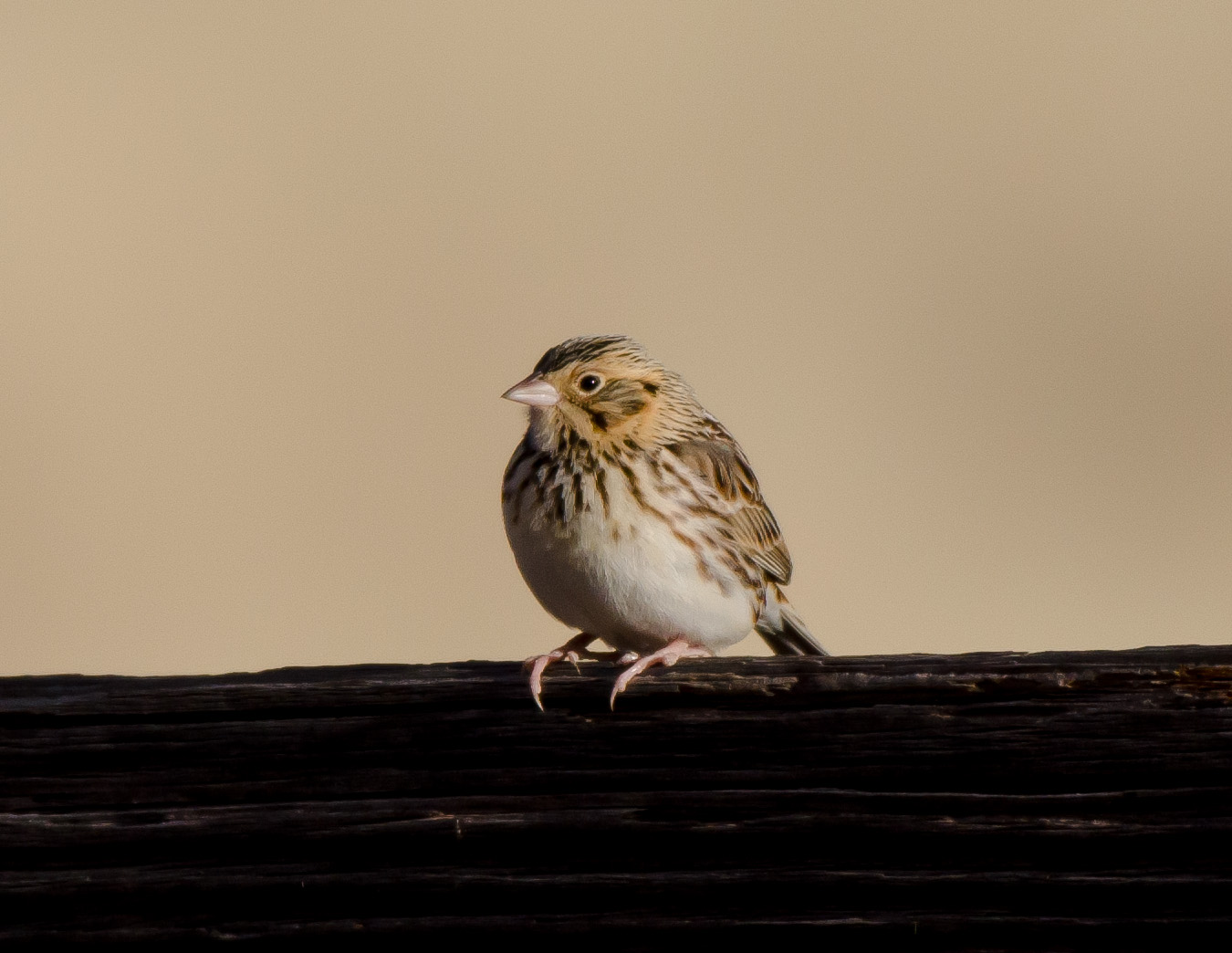
September is the start of mellowing temperatures in Arizona. Yes, it can still be very hot, especially during the day, but the as the nights start becoming longer, the nighttime temperatures, start to drop which create for some glorious mornings for birding. September is also a great month to find migrants as they filter through the state on their south-bound journey.
When one thinks about migrants, it is warblers that most generally come to mind. We have several species that migrate through the state of Arizona. Some of them actually spend their winters in Arizona, so we get the pleasure of seeing and hearing them all winter.
 Hermit Wabler - This bird is strictly a migrant in spring and fall and most generally are found in higher elevations during migration, but occasionally they can be found in some desert habitats such as this one that I found in South Mountain Park in a dry desert wash.
 Nashville Warbler - Fairly common in migration and can possibly be seen in all types of habitats.
 Orange-crowned Warbler - This is one of the species that will over-winter in many spots in Arizona.
 Orange-crowned Warbler - Note the tidbit that it has found as it forages.
 Chestnut-sided Warbler - This is a fairly rare bird as its range is normally the eastern part of the United States. However, there are a few reports every year in the fall/winter in Arizona. I found this one at the Gilbert Riparian Preserve in October, but it did not stay the winter.
 'Audubon's' Yellow-rumped Warbler - This is our most common warbler in the winter in Arizona. It is the first warbler that I was able to identify by its chip note. They are very abundant just about everywhere in the state in the winter.
 Warbling Vireo - This leads us to a different group of birds, the vireos. This is a fairly common bird, but not always accommodating for photos. I was happy to get this one to pose for me for a brief moment.
 House Wren - This species is an elevation migrant. The House Wren does breed in the higher elevations of the state in the summer, but they tend to disperse to lower elevations in winter.


 American Bittern - Not a real common bird in Arizona, but then they tend to be a bit secretive and are not always easy to detect so there might be a few more than what are being reported. This one spent some time at the Gilbert Riparian Preserve.
 Least Bittern - Another species that tend to be pretty secretive, but luckily this bird has been breeding at the Gilbert Riparian Preserve and if you time your visit just right, there is a good chance you can see one.
 Great Blue Heron - Not a migrant and a species that can be found throughout the United States at various times of the year.


 Bald Eagle - Probably one of the most recognized birds in the United States since it is our national emblem. We do have breeding pairs of Bald Eagles nesting along the Salt River and at other spots in Arizona. So when one of these majestic birds offers great views and a chance to take photos, of course I take advantage.
 Bald Eagle


When one thinks about migrants, it is warblers that most generally come to mind. We have several species that migrate through the state of Arizona. Some of them actually spend their winters in Arizona, so we get the pleasure of seeing and hearing them all winter.


Burrowing Owl - In the winter we have more Burrowing Owls than summer. We do have our year-round residents that breed in the state, but we also get a lot more in winter when those that breed in the northern part of the United States and Canada migrate south and spend their winters with us in Arizona.

Pied-billed Grebe - This is a species that pretty much leaves for the summer, and are seen much more in winter. However, we do have a pair or two that spends their summers at Pagago Park in Phoenix, such as this one. Note that they love feeding on crayfish.


Reddish Egret - This is an interesting photo of 3 species of egrets and offers a really cool comparison of the three all together in the same frame. In the back is the smaller Snowy Egret, in the front is the much larger Great Egret, and in the middle (the non-white egret), is the Reddish Egret, which is a species that is a bit rare for Arizona. Every winter, we seem to get a few in the state and they are probably first year birds that disperse northward from their regular range along the west coast of Mexico.

Verdin - This little bird is very common is the right habitats and one that can be quite noisy so one can detect their presence by their calls. It is a very small bird at only 4½ inches and they tend not to perch very long for photos.


Vermilion Flycatcher - One of my favorite birds that I cannot resist taking a photo when they perch and present themselves to me. Some of these birds do migrate south, but there are usually a few that will spend their winters in certain parts of Arizona.

Rosy-faced Lovebird - Yes, this bird in the only non-native bird that I included in this blog post. This bird is originally from Namibia, Africa, and is a very popular cage bird in the pet industry and they are quite easy to raise in captivity. This species found the desert climate in the Phoenix area to be quite a bit similar to their natural climate in Africa. These birds have escaped from pet owners and also from pet stores releasing them when going out of business and they have thrived in the Phoenix suburban areas, with a current population of over 6,000 in the Phoenix metro area. They seem to be holding their own and so far, there does not seem to be any competition with the native birds in the food or nesting locations. However, with all non-native species, it is possible for that speculation to change. They have a foothold here and are ABA countable in the state of Arizona, for those that are wanting to add birds to their life lists.
This last photo was taken in a captive enclosure, but it is a bird that used to reside in southern Arizona. This is a 'Masked' Bobwhite, which is a sub-species of the more widely known Northern Bobwhite in other parts of the United States. It has pretty much been extirpated from Arizona and is only found in a small area further south in the state of Sonora, Mexico. However, there is a captive breeding program in Arizona for this species and they are trying to attempt to reintroduce them to the desert habitat where they formerly resided in Arizona. So far, the success has had mixed results. Would like to see this bird make a comeback in this state. Note that this pair has a chick with them. This was photographed at the Sonoran Desert Museum just outside of Tucson.

Birding in Arizona is always a lot of fun. Yes, there are times when I see the same birds that I always see, but I learn from each one of those encounters. I am currently trying to catch up on some blog posts that I have procrastinated about doing for far too long. With a couple of upcoming trips on the horizon, I know that I will not get completely caught up, but am going to try for one or two more posts before I head off on my next adventure. Both of these trips in 2019 are within in the United States and at the present I do not have any international trips planned. Stayed tuned for more updates and thank you for taking a look at my blog.